Pet Photography Bags: Organize Gear + Pet Supplies
By Avery Sullivan • 10th Jan
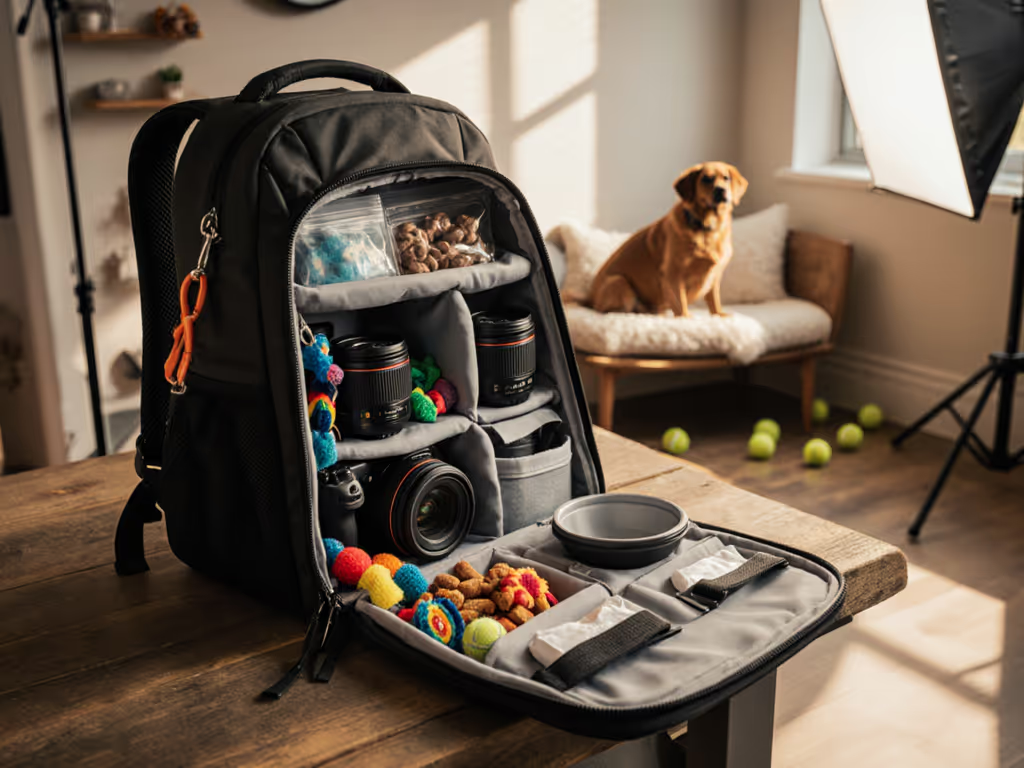
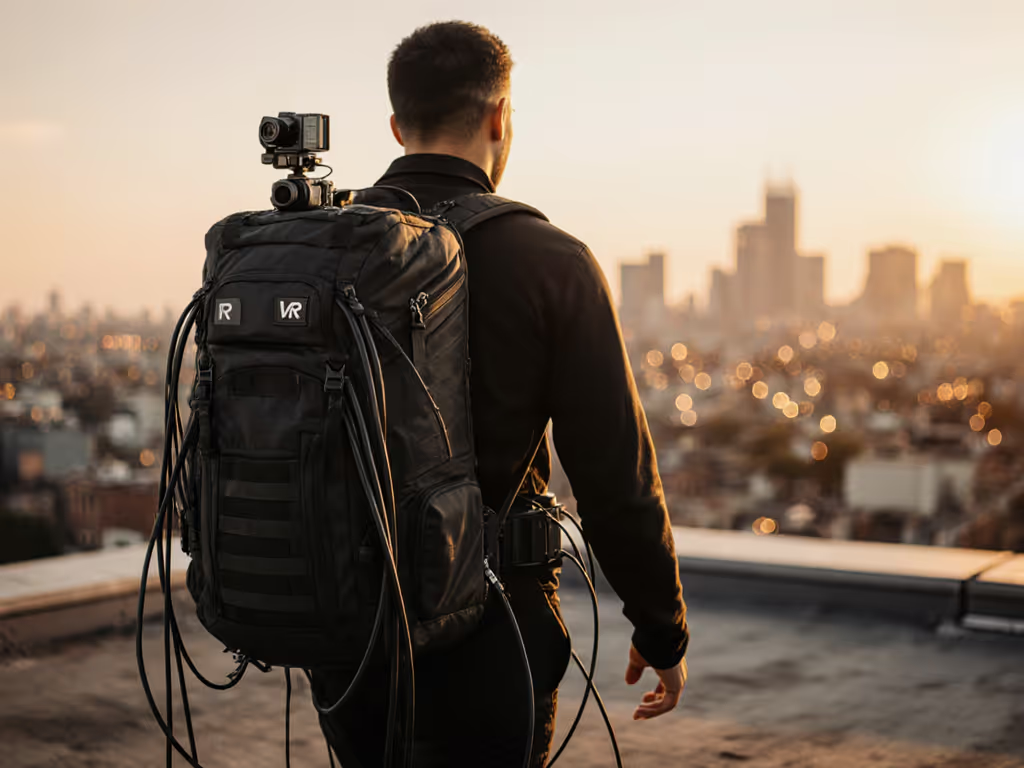
When your subject won't sit still and you're juggling camera gear while managing pet essentials, pet photography bags become your operational backbone. Without thoughtful animal photography organization, you'll spend more time hunting for treats than capturing magic. I've been there, watching a golden retriever leap through perfect golden hour light while I frantically pat pockets for a spare SD card. Your bag shouldn't be a puzzle box; it should be an extension of your workflow that moves with you, not against you.
Why This Matters: Beyond Just Storage
Pet photography demands a unique dance between technical precision and spontaneous chaos. You're not just carrying camera gear, you're managing a mobile pet studio. That means batteries next to beef jerky, lens cloths beside poop bags, and tripods rattling against treat pouches. The right organization system turns this chaos into calm, giving you the confidence to shoot when it matters most. For a step-by-step setup, see our bag organization in 5 steps.
How many bags do I really need as a pet photographer?
This is your first decision gate. Most successful pet photographers I've worked with use either:
- One integrated system: A single bag with dedicated zones for camera gear and pet supplies (ideal for solo shooters with simple kits)
- Two-bag approach: One camera backpack + one dedicated pet handler bag (best for busy sessions with multiple animals)
The determining factor isn't your budget; it's your session complexity. Ask yourself:
"Do I regularly need to access both camera controls AND pet management tools simultaneously?"
If yes, two bags create parallel workflows. I discovered this after my first 'pro' bag left me choosing between adjusting aperture or grabbing treats, never both in time. Two separate systems eliminated that friction.
How do I organize gear AND pet supplies without chaos?
Treat your bag like a modular toolkit, not a single storage unit. Create distinct zones:
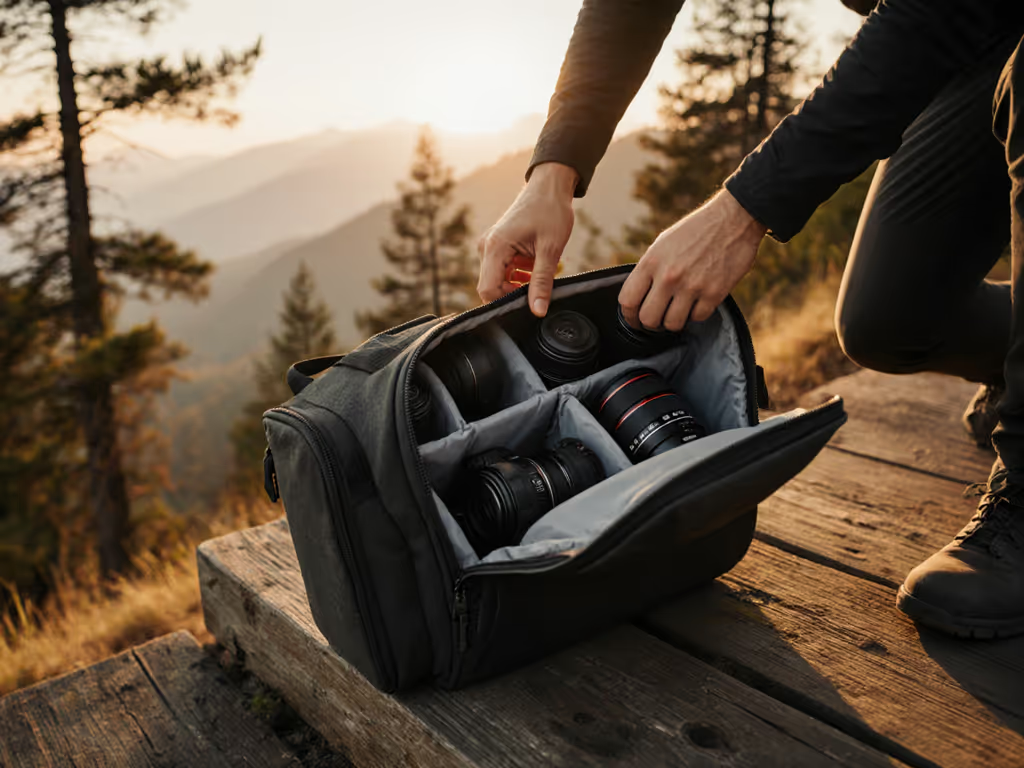
- Camera core zone: Bodies, lenses, batteries (keep within quick-access camera storage)
- Pet action zone: Treats, toys, water bowl, waste management
- Emergency response zone: First aid, wipes, towel, portable fan
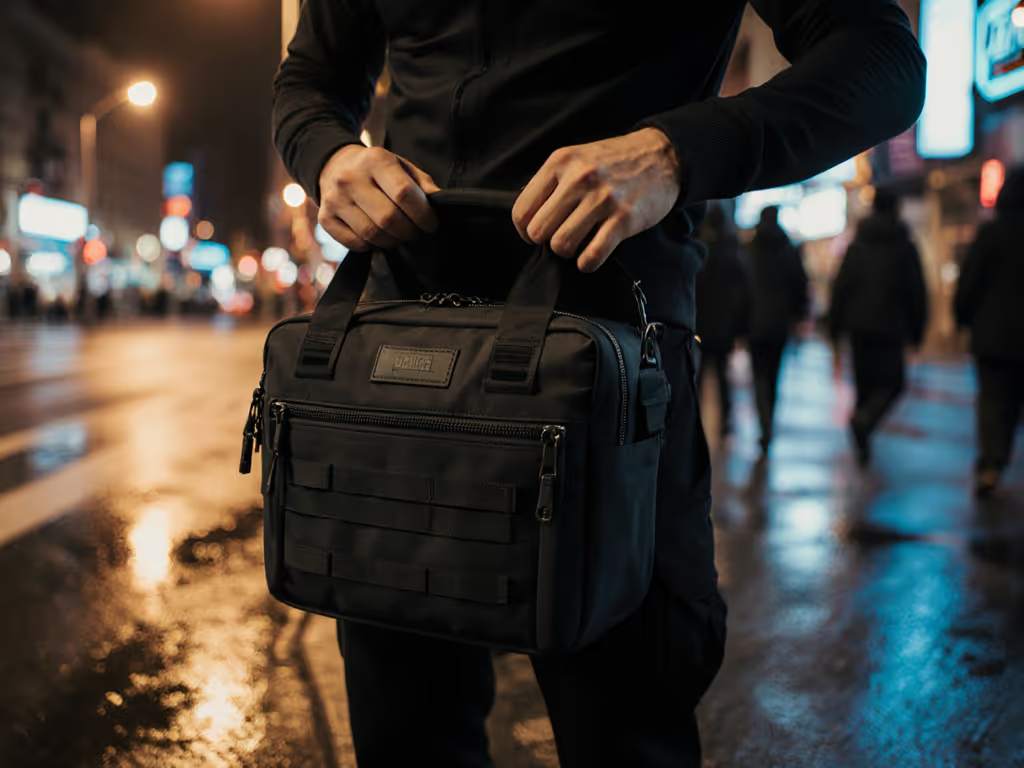
Use physical dividers, never just pockets. Consider a waterproof camera cube for items that might get wet (like that collapsible water bowl). If you want to adapt a backpack you already own, explore camera bag inserts for modular protection and layout control. When zones stay distinct, you avoid the "treats-in-my-lens-case" disaster that plagued my early career.
What's the right bag size for my specific kit?
Forget manufacturer liter ratings; they're notoriously misleading for hybrid use. Instead, build your ideal kit on a table, then measure the footprint:
- Stack your typical camera gear together
- Add pet supplies beside them
- Measure the combined dimensions
Now look for bags matching that footprint, not a vague "fits 2 bodies + 3 lenses" claim. Bags designed specifically for dog photography gear often have better real-world capacity because they account for bulky pet items.
How can I ensure quick access to both camera gear and pet essentials?
This is where most photographers fail: designing for gear access but not pet access. Look for these features:
- Dual-side access: One side for camera gear, opposite side for pet supplies
- Top quick-grab panel: For frequently changed items (treats, water bottle)
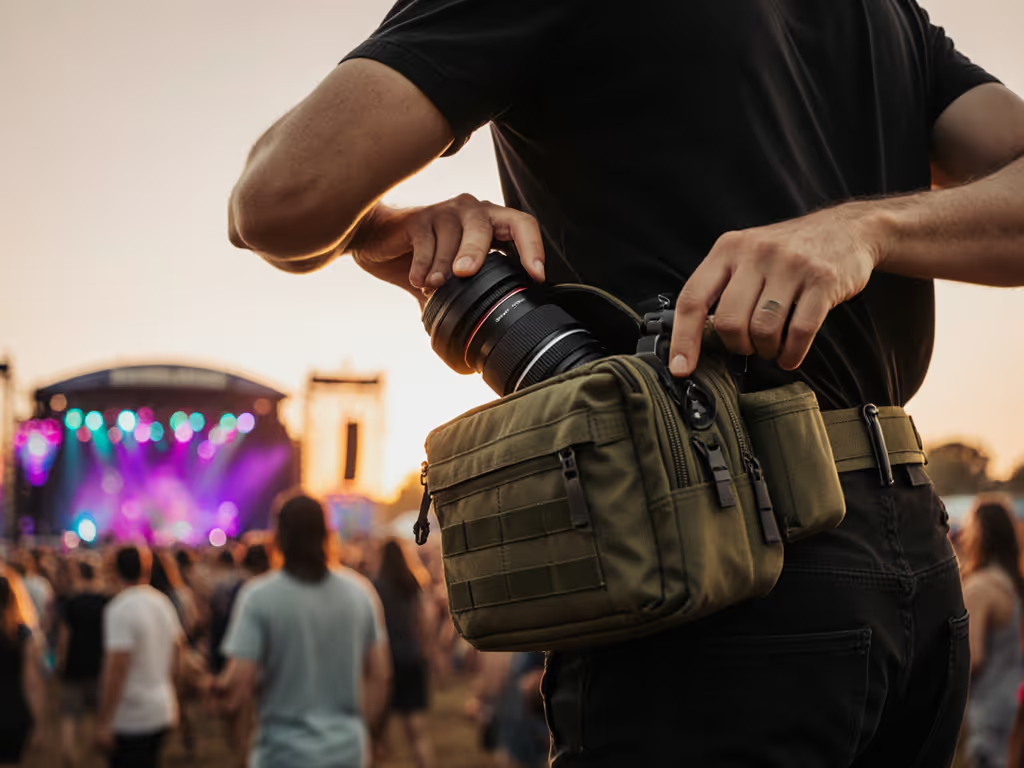
- Hip-attached pouches: For items you need while camera is ready (like that squeaky toy)
I learned this the hard way when I missed perfect action shots because my treats were buried under filters. Now, anything needed more than twice per session goes in external pockets I can reach without breaking stride.
What should I prioritize for comfort during long sessions?
Pet photography means constant movement: crouching, kneeling, following unpredictable subjects. Your bag must support this:
- Weight distribution: At least 70% should transfer to hips, not shoulders
- Breathable back panel: Critical for those hot outdoor sessions
- Adjustable harness: Must accommodate varying clothing layers (winter coats vs. summer shirts)
Many photographers develop shoulder pain because they prioritize gear capacity over ergonomic design. Measure your torso length before purchasing; most brands size for average male frames, leaving petite or curvier photographers searching for solutions.
How do I build a system that grows with my business?
This is where most bag systems fail because they solve today's problem but create tomorrow's limitations. Start small, fit right, build the system methodically.
Begin with:
- One core bag that fits your current kit (not your dream kit)
- One modular cube system for camera gear
- One separate container for pet supplies
As your needs grow, expand the cube system, not the entire bag. This modular approach prevents the "bag graveyard" of ill-fitting purchases that plagues so many photographers.
What's the most overlooked item for pet photography organization?
Beyond the obvious pet photographer essentials, I've found these game-changers:
- Color-coded cubes: Assign specific colors to specific functions (blue for batteries, red for memory cards)
- Transparent document pocket: For client info sheets or location permits
- Hidden wet pocket: For dirty paws, muddy toys, or wet towels
These small additions create mental shortcuts that reduce decision fatigue during chaotic sessions, freeing you to focus on the shot.
How do I know if a bag will work with my body type?
This is critical but often overlooked. Most reviews don't address fit variations. Before purchasing:
- Check the brand's torso length range (not just "small/medium/large")
- Look for adjustable sternum straps that work for broader chests
- Verify hip belt adjustability for smaller waist sizes
Many photographers waste money on "universal" bags that only fit average male frames. If standard fits don't work, check our women's camera bags guide for size-specific harness options. Brands offering size-specific harness systems dramatically improve comfort for diverse body types.
Building Your System Without Overwhelm
The perfect pet photography bag isn't about having everything; it's about having exactly what you need, exactly when you need it. Your organization system should disappear into your workflow, not dominate it. When your gear fades into the background, that's when you find your rhythm with animals.
Stop trying to fit your process into someone else's bag system. Build your own, starting with one bag that solves your most pressing need today, then expanding methodically as your business grows. The right approach turns bag selection from an anxiety source into a creative advantage.
Ready to map your ideal system? Check out our free "Pet Photography Bag Builder" tool that matches your kit, body, and shooting style to optimal organization solutions (no marketing fluff, just clear steps).
Related Articles