High-Altitude Camera Bags: Secure in Thin Air & Storms
By Avery Sullivan • 3rd Feb
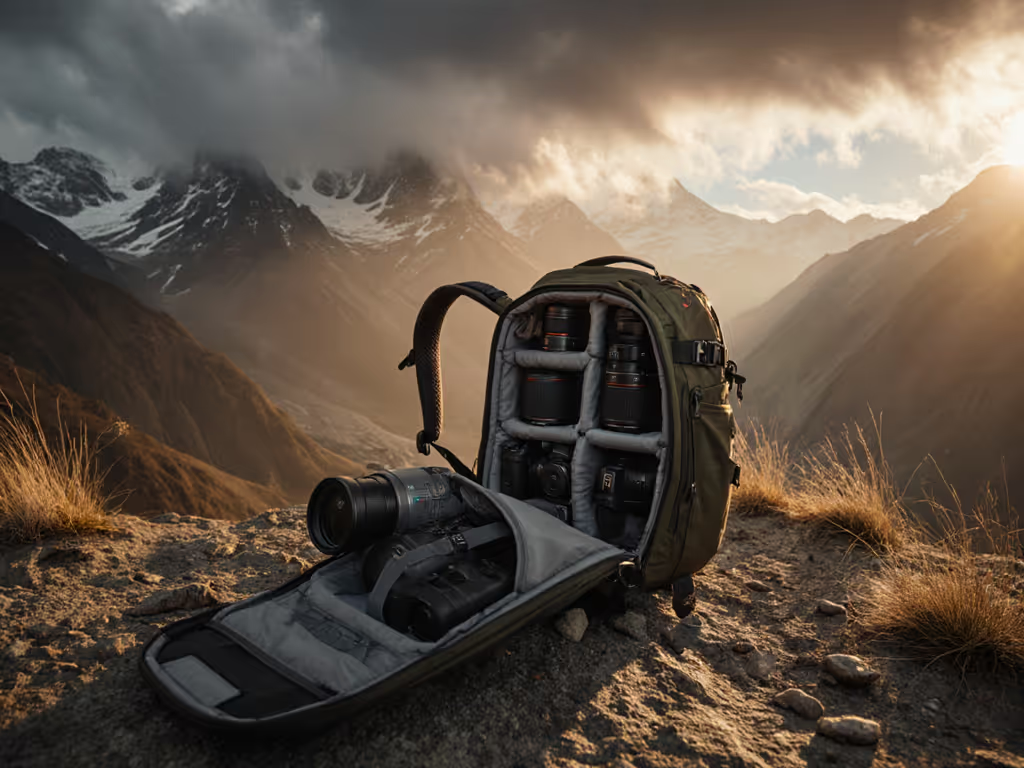
When your high-altitude camera bags determine whether your once-in-a-lifetime shot survives the elements, the stakes couldn't be higher. For mountain photography gear, mere weather resistance isn't enough (you need systems that protect against altitude-induced temperature swings, sudden storms, and the physical demands of alpine terrain). Forget gimmicks; this guide cuts through confusion with practical strategies that build your confidence to shoot no matter how thin the air gets.
Why Your Regular Camera Bag Fails at 10,000 Feet
What makes high-altitude environments uniquely dangerous for camera gear?
Standard camera bags fail above treeline because they're designed for studio-to-carport environments, not freezing winds and rapid temperature shifts. At elevation, two invisible threats emerge:
- Condensation chaos: As you descend from subzero peaks to warmer valleys, moisture condenses INSIDE your bag (often directly on sensors and lenses)
- Barometric pressure shifts: Sealed camera compartments can't equalize, potentially causing lens elements to separate or seals to fail
The solution isn't just waterproofing (it is creating a responsive system that handles these transitions). To prevent mold growth from trapped moisture at altitude, follow our camera bag hygiene guide. Ten years ago, I learned this the hard way when my "pro" bag with twenty pockets failed to protect my gear during a sudden storm on Mount Rainier. Today, my two-bag system with labeled zones handles these extremes without panic.
Aren't all "weatherproof" bags equally effective in storms?
Not even close. Most brands test weather resistance in controlled lab conditions that don't replicate real alpine environments. Compare lab claims with our real rain test results for waterproof camera bags. True extreme weather camera bags excel in three critical areas:
- Seam sealing: Look for fully taped seams (not just coated fabric)
- Zipper technology: Coil zippers with storm flaps outperform standard zippers in icy conditions
- Material breathability: Non-breathable bags trap moisture inside during rapid ascents
"A waterproof bag that can't breathe becomes a condensation trap at altitude (exactly what you don't want)."
Building Your Altitude-Ready System
How do I balance weight savings with essential protection?
This is the decision gate every mountain photographer faces. The sweet spot lies in strategic material selection:
- Under 8,000 feet: Standard weather-resistant bags often suffice
- 8,000-12,000 feet: Prioritize breathable waterproof materials (like 210D ripstop with PU coating)
- Above 12,000 feet: Invest in lightweight Dyneema® or similar ultra-strong, waterproof fabrics
Start small, fit right, build the system methodically. Your summit bid shouldn't include testing unproven gear. Instead, simulate high-altitude conditions during training hikes (put your bag in a freezer overnight, then move it to a humid room to test condensation management).
What's the smart approach to alpine photography cases for lens changes?
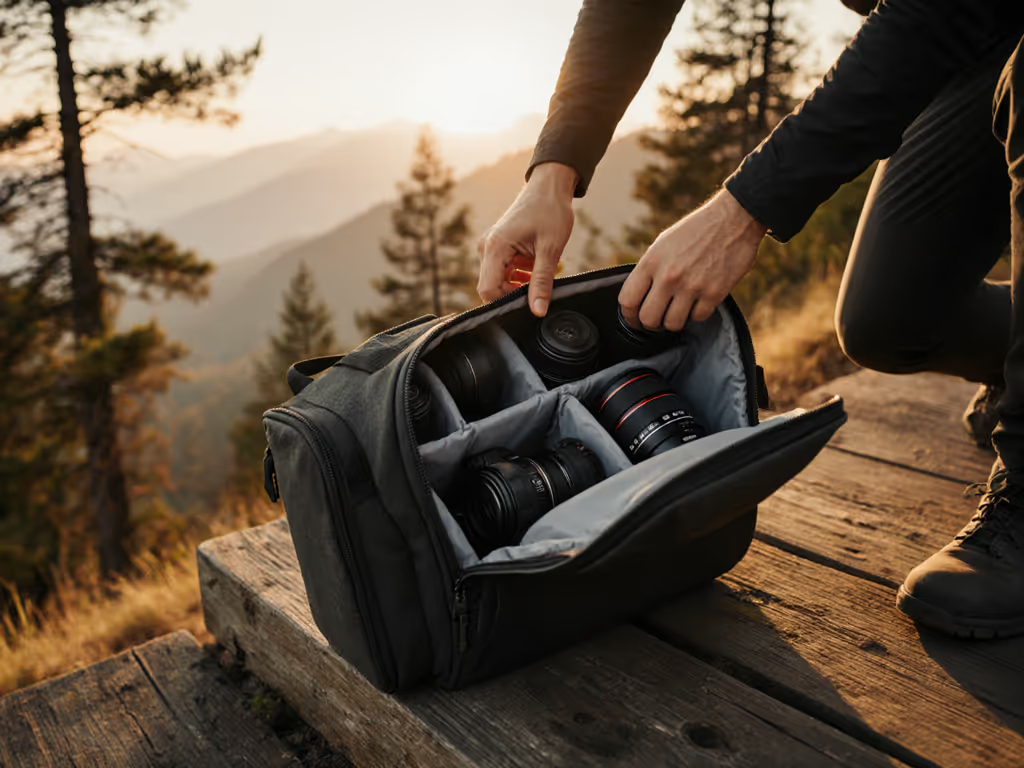
Forget bulky hard cases that freeze shut. The most effective solution is modular:
- Primary protection: Keep your main camera in the main bag
- Quick-swap system: Use a small, insulated neoprene sleeve for your secondary lens
- Protection protocol: Only unzip both compartments when actually changing lenses (never "just in case")
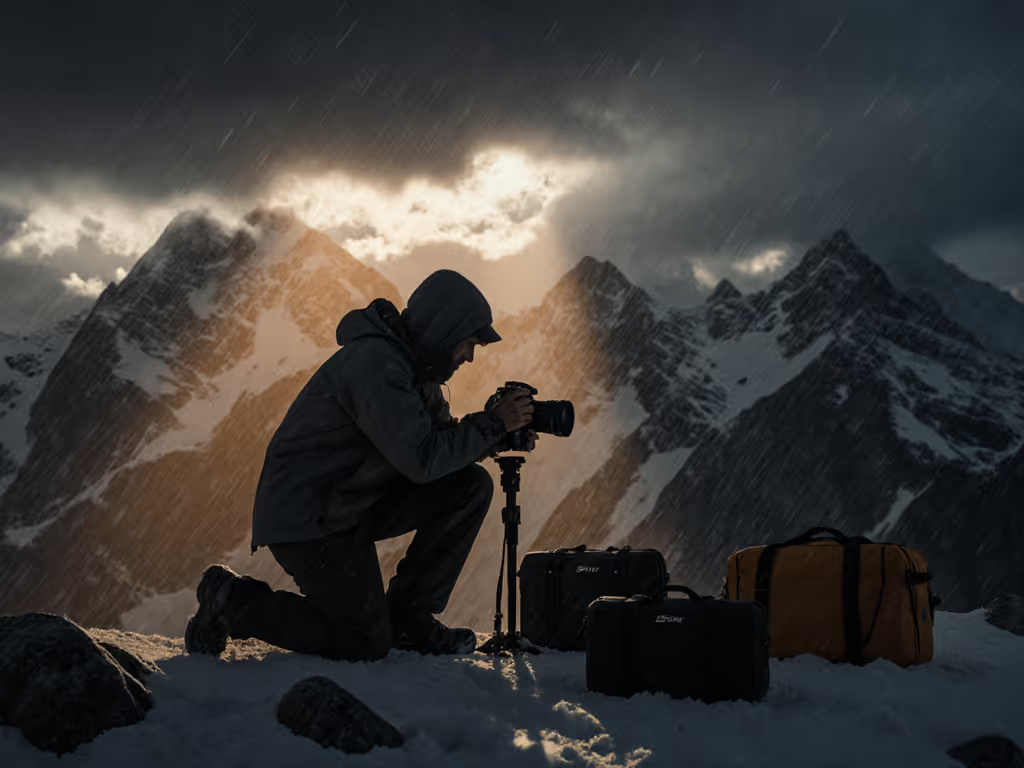
This strategy saved my summit shoot on Denali when 40mph winds made standard bag access impossible. By keeping all zippers sealed until the precise moment of need, I avoided snow intrusion and maintained body heat.
Smart Fit for Mountain Movement
Why does bag fit matter more at altitude than in cities?
At elevation, every ounce of discomfort translates to energy wasted. Poorly fitted harnesses:
- Steal precious oxygen needed for camera work
- Create pressure points that become painful during long summit pushes
- Shift unpredictably during technical moves
High elevation gear protection starts with your body's comfort. Look for:
- Adjustable sternum straps that move with your breathing
- Ventilated back panels that prevent sweat buildup during ascents
- Hip belts that transfer weight to your skeleton, not muscles
I've seen seasoned photographers abandon perfect shots simply because their bag shifted during a critical rappel. Your gear should disappear from your awareness, so you can focus on composition, not discomfort. If back or shoulder pain has held you back, see our camera bag ergonomics guide for measured weight distribution tips.
How do I test a bag's real-world performance before investing?
Skip spec sheet comparisons. Instead, conduct these practical tests:
- The Ice Water Test: Fill your water bottle with ice water, place it in the bag, and walk 10 minutes (the exterior should feel dry)
- The Wind Tunnel Test: Stand facing a fan with the bag unzipped (can you quickly access your camera without dropping gear?)
- The Pack-Out Test: Load it with your full kit and walk stairs for 15 minutes (does weight distribution stay consistent?)
These tests revealed my previous bag's fatal flaw: zipper teeth froze shut at 0°F, trapping my camera when the light was perfect.
Conserving Energy While Protecting Gear
What's the most overlooked feature for mountaineering camera storage?
External access points that don't compromise weather protection. The best systems feature:
- Rotating side panels that swing out without removing the bag
- Magnetic storm flaps that seal instantly after access
- Dedicated tripod pockets that don't require unpacking your main compartment
This isn't just convenience, it is energy conservation. Every second spent fumbling with gear at altitude drains oxygen reserves needed for precise camera work.
Should I carry backup gear at high altitude?
This depends on your mission profile. For day trips below 14,000 feet, stick to essentials:
- One camera body
- Two lenses maximum
- Critical accessories only (batteries, cards, microfiber)
For expeditions above 14,000 feet, implement a "buddy system" where critical components (batteries, memory cards) are split between two people. Never double your entire kit (that unnecessary weight becomes dangerous at altitude).
Your Next Steps to Confidence at Altitude
The right high-altitude camera bags transform anxiety into anticipation. They don't just protect gear, they protect your creative flow when conditions turn volatile. Remember that clarity beats choice overload; your right-fit system grows with you through every elevation gain.
Before your next high-mountain shoot, run through this quick checklist:
- Bag tested in simulated altitude conditions
- Condensation management strategy in place
- Critical gear accessible in 15 seconds or less
- Weight distribution optimized for your body type
- No unnecessary gear adding altitude fatigue
If you're ready to escape the bag graveyard and build a system that grows with your mountain ambitions, explore our detailed comparison of elevation-tested materials and construction techniques. Your next breakthrough shot awaits (protected, accessible, and ready when the light appears).
Related Articles