Camera Bag Hygiene: Prevent Microbial Damage
By Avery Sullivan • 20th Jan
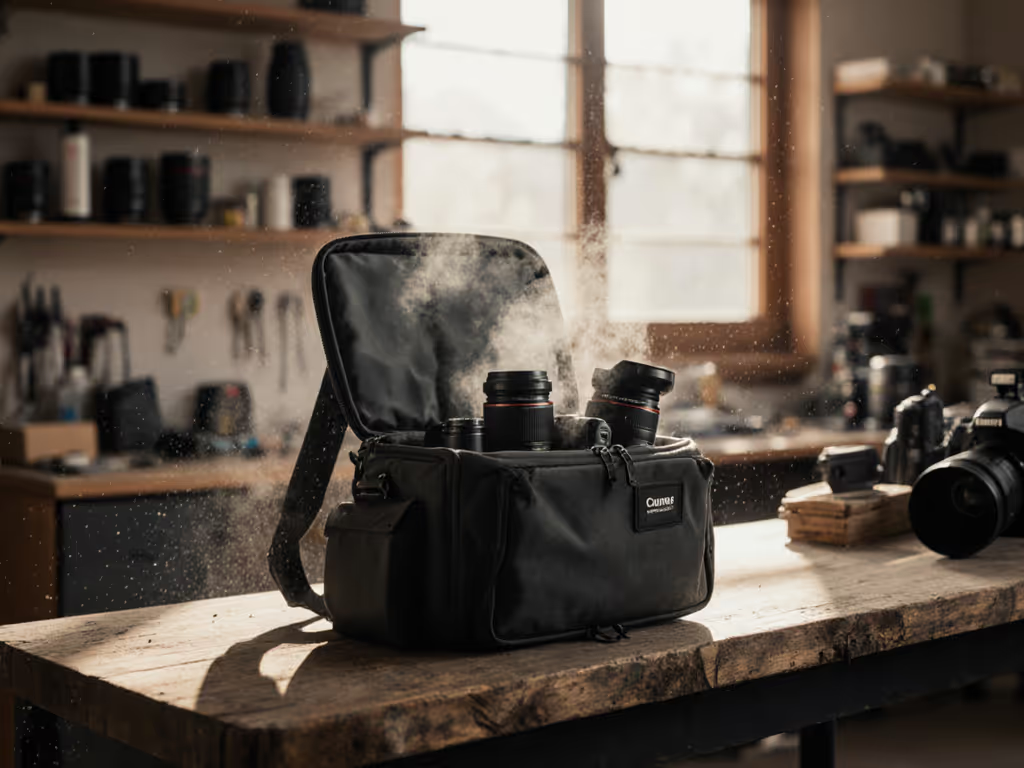
Let's talk about something most photographers overlook until it's too late: camera bag hygiene. While we obsess over lens cleanliness and sensor spots, few consider how microbial damage prevention is equally critical to your gear's longevity. That damp sponge smell lurking in your bag? It's not just unpleasant. It's actively harming your investment. I learned this the hard way after my first "pro" bag developed a musty odor that lingered through three cleanings, turning every gear check into a chore instead of preparation. Your bag isn't just storage (it's the first line of defense against biological threats that silently degrade your equipment).
Why Microbial Damage Matters More Than You Think
Is this really a threat to my gear?
Absolutely. Microbial damage isn't just about unpleasant smells (it is a structural threat). Mold spores thrive in the dark, humid environment of a camera bag, especially after shoots in damp conditions. Industry testing confirms that biological growth breaks down:
- Fabric fibers (weakening seams and straps)
- Foam padding (reducing impact protection)
- Synthetic coatings (compromising weather resistance)
Unlike physical damage, microbial decay happens invisibly. By the time you notice discoloration or odor, the structural integrity is already compromised. This is why camera bag sanitation is non-negotiable for professionals who rely on their gear daily.
What's the difference between mold, mildew, and bacteria?
Clear definitions prevent unnecessary panic:
- Mold appears as fuzzy spots (black, green, or white) and penetrates deep into materials
- Mildew is flat, powdery, and usually surface-level (common in humid climates)
- Bacteria causes odors but rarely visible damage (though it can corrode metal components over time)
Each requires slightly different prevention strategies, but they all thrive in the same conditions: darkness, organic material (like fabric), and moisture above 60% RH.
Your Camera Bag Hygiene Action Plan
What's the simplest routine maintenance I can do?
Start small, fit right, build the system methodically. Implement this three-minute ritual after every shoot:
- Empty completely - remove all gear AND dividers
- Shake vigorously - dislodge loose debris
- Air upside-down - for 10 minutes in a well-ventilated area
This simple decision gate takes less than two minutes but gives you the confidence to shoot knowing your gear is protected. It's far more effective than occasional deep cleaning because it prevents the moisture buildup that leads to biological damage in camera bags.
How often should I deep clean my bag?
Use this decision tree based on your shooting environment:
- Indoor studio/portrait work: Every 3 months
- Mixed urban shoots: Monthly
- Outdoor/wet environments: Immediately after exposure
- Desert/extreme dry climates: Focus on dust removal rather than moisture
Pay special attention to humidity control for gear in tropical or coastal regions. Photographers in Singapore, Miami, or Bangkok need twice the vigilance compared to those in Phoenix or Madrid.
What's the proper deep cleaning method?
Follow this gentle, effective process:
- Dry phase first
- Use a lens blower to remove loose dust from compartments
- Vacuum with soft brush attachment (low suction only)
- Detail seams with a soft toothbrush
- Wet phase only if needed
- Mix 1 tsp mild detergent + 1 cup lukewarm water
- Dampen (never soak) a microfiber cloth
- Wipe interior/exterior using circular motions
- Rinse cloth frequently
- Drying is critical
- Air dry completely (24-48 hours) with all compartments open
- Place in indirect sunlight for UV disinfection (avoid direct sun to prevent fading)
- NEVER use heaters, hairdryers, or radiators
Never machine wash your bag (this destroys waterproof coatings and compromises structural integrity). For material-specific care and stain removal, follow our camera bag cleaning guide.
What about stubborn odors?
For persistent smells after proper cleaning:
- Place opened containers of baking soda inside overnight
- Use activated charcoal packets (rechargeable by sun-drying)
- Try a single dryer sheet (remove before next use)
Avoid sprays like Febreze (while they mask odors, the chemicals can damage delicate fabrics over time). If odors persist after three cleaning attempts, it likely indicates deep microbial penetration that requires professional treatment.
Environmental Factors & Prevention Strategies
How does climate affect my bag's vulnerability?
Mold prevention for photography requires climate awareness:
- Humid tropics: Store with silica gel between shoots; clean weekly
- Cold climates: Condensation forms when moving between temperatures, so air bags immediately after coming indoors
- Desert environments: Focus on dust removal (microbes need moisture, but dust harbors spores) For desert, Arctic, and tropical shoots, see our extreme environment camera bags for materials and features that prevent moisture and sand intrusion.
One pro wedding photographer in New Orleans swears by this tip: "I keep my bag in the passenger footwell of my car with the AC blowing directly on it during summer months. The constant airflow prevents that sticky humidity buildup."
What common mistakes accelerate microbial damage?
Avoid these critical errors:
- Storing gear while still damp from rain or sweat
- Using plastic bags inside your camera bag for "waterproofing" (traps moisture)
- Ignoring zipper tracks where moisture collects
- Overpacking, which restricts airflow and traps moisture
Many photographers compound the problem by stuffing their bag full immediately after cleaning, defeating the purpose of your hygiene efforts. Leave it empty and open for at least 12 hours after cleaning. For long-term protection between shoots, use the smart storage tactics guide to avoid mold, zipper corrosion, and fabric creasing.
Building Your Long-Term Defense System
How do I create sustainable hygiene habits?
Think modular. Integrate these elements into your existing workflow:
- Daily: The 3-minute empty/air routine
- Weekly: Check and refresh moisture control elements
- Monthly: Deep clean as needed
- Seasonally: Inspect for wear that might trap moisture
This approach prevents the overwhelm of "I need to clean my bag" by making it part of your normal process. Remember my early career mistake with that twenty-pocket bag? I was so focused on organization I neglected basic hygiene, doubling my gear to compensate for lost items. A simple system grows with you, no matter your experience level.
When should I consider replacing components?
Watch for these signs your bag needs repair or replacement:
- Persistent musty smell after multiple cleanings
- Visible discoloration that won't come out
- Foam padding that's disintegrating or slimy to touch
- Stitching coming loose in moisture-prone areas
Don't shame yourself for budget gear limitations (many quality bags offer repair services). A $200 bag properly maintained will outperform a $500 bag neglected for microbial damage.
Your Next Steps
Microbial damage prevention isn't about perfection (it is about consistent, manageable actions that protect your investment). Start with just the three-minute daily routine, then build from there as your needs evolve. Your gear deserves the same attention you give your lenses, because a clean, dry bag means confident access to your tools when the moment matters.
Ready to deepen your understanding of gear preservation? Explore our companion guide on humidity control solutions specifically designed for traveling photographers (because when you've got camera bag hygiene under control, you're not just protecting equipment, you're safeguarding your ability to create without worry).
Related Articles