Documentary Security Bags: Sensitive Assignments
By Maya Osei • 12th Apr
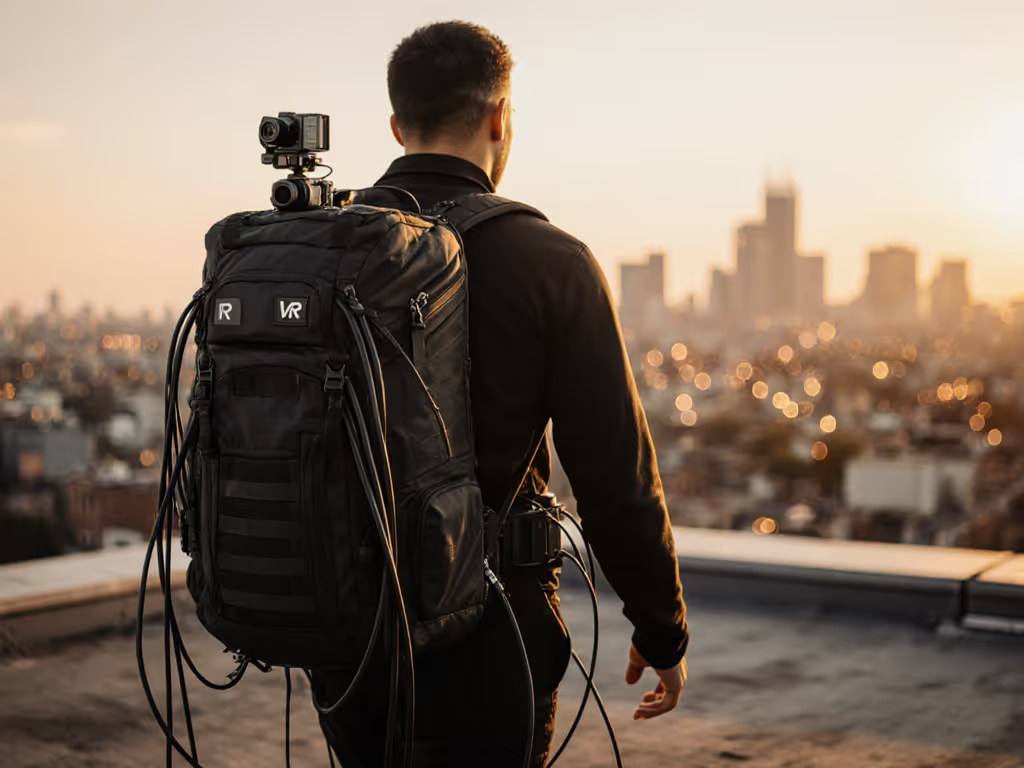
When a photojournalist carries a single mirrorless body and two lenses into an active conflict zone, or a documentary creator records interviews in politically sensitive environments, the camera bag isn't just storage (it is part of a safety system). For a lab-tested overview of pickproof closures, slash-resistant fabrics, and stealth designs, see our Anti-Theft Camera Bags comparison. Unlike a studio setup, these assignments demand gear that resists opportunistic theft, withstands rough handling, and keeps your workflow invisible to hostile attention. Documentary security camera bags merge security principles, ergonomic load distribution, and discreet design to protect both your equipment and your physical capacity to work all day. What separates a functional carry solution from one that fails under real conditions? The answer lies in understanding how material, harness design, and intentional redundancy work together, not in marketing alone.
FAQ: Choosing and Using Documentary Security Bags
What Makes a Camera Bag "Secure" for Sensitive Assignments?
Security in this context involves three independent layers: material integrity (what the bag is made of), closure reliability (how it stays sealed), and load architecture (how your gear sits inside). Too often, photographers focus only on zipper quality or exterior toughness and overlook the internal load path (how weight distributes across your back, shoulders, and hips). A bag with excellent zippers but a non-adjustable harness places enormous stress on your trapezius and deltoïds, leading to fatigue and impaired fine motor control exactly when you need steadiness for critical shots.
For sensitive assignments, prioritize bags with adjustable load lifters and curved wing panels that route force away from pressure points. The bag body itself should use ballistic-grade nylon or ripstop fabric rated for abrasion and tear resistance; 500D minimum is a reliable baseline. Just as I learned during a wedding doubleheader where a soft webbing strap left me bruised under my clavicle (a lesson that sent me to the pressure mat and chalk on my shirt), the sleekest bag loses in a side-by-side carry test against one engineered for even load distribution.
How Do I Know If a Bag Fits My Body Type and Won't Cause Pain by Hour Eight?
Fit is physics; comfort is the output of load paths. A bag that fits your friend's frame may pinch your narrower shoulders or slip off your broader hips.
Start by measuring your torso length (base of neck to hip crest) and shoulder width. For step-by-step setup and weight transfer tips, read our ergonomics guide. Most harnesses assume a 17 to 18 inch torso; if you're 5'2" or 6'4", many standard bags distribute load inefficiently. Load lifters (the straps that angle from the bag's shoulder wings toward your chest) should sit 30 to 40 degrees above horizontal when the bag is on your back. If they angle too steeply or lie flat, the load path breaks, and your lower back absorbs force instead of your hips.
For hip belts, confirm the belt pivots at your natural waist (narrowest point), not on your ribs or below your hips. A misaligned hip belt transfers nothing; you'll feel all 15 pounds in your shoulders after three hours. If you're curvier or shorter, a trapezoidal belt (wider in front, narrower in back) works better than traditional rectangular designs. Test any bag with a realistic load (your actual two-body setup, not a demo weight), then walk stairs or simulate field movement. Pain or numbness after 30 minutes signals a poor fit; return it.
What Materials and Construction Details Actually Stop Opportunistic Theft?
The exterior should resist cutting and prying. Look for reinforced stress points: corner gussets, bartack stitching at seams, and a full-perimeter base panel stitched and sometimes welded for integrity. Zippers matter, but so does what zips protect: a premium #10 zipper on a thin nylon exterior is defeated by a box cutter. Multi-ply construction (two or three fabric layers bonded together) and anti-slash mesh liners significantly raise the threshold for smash-and-grab thieves.
RF (radio frequency) or RFID blocking is worth considering if you carry payment cards or credentials; some bags integrate it into document sleeves. Combination locks on main compartments add friction without perfect security; they signal intentionality and delay casual access. For the most sensitive assignments, redundant closures (zipper plus magnetic flap, for example) mean a thief must defeat two mechanisms, increasing detection risk.
Should I Choose a Backpack, Messenger Bag, or Hybrid for Covert Photography?
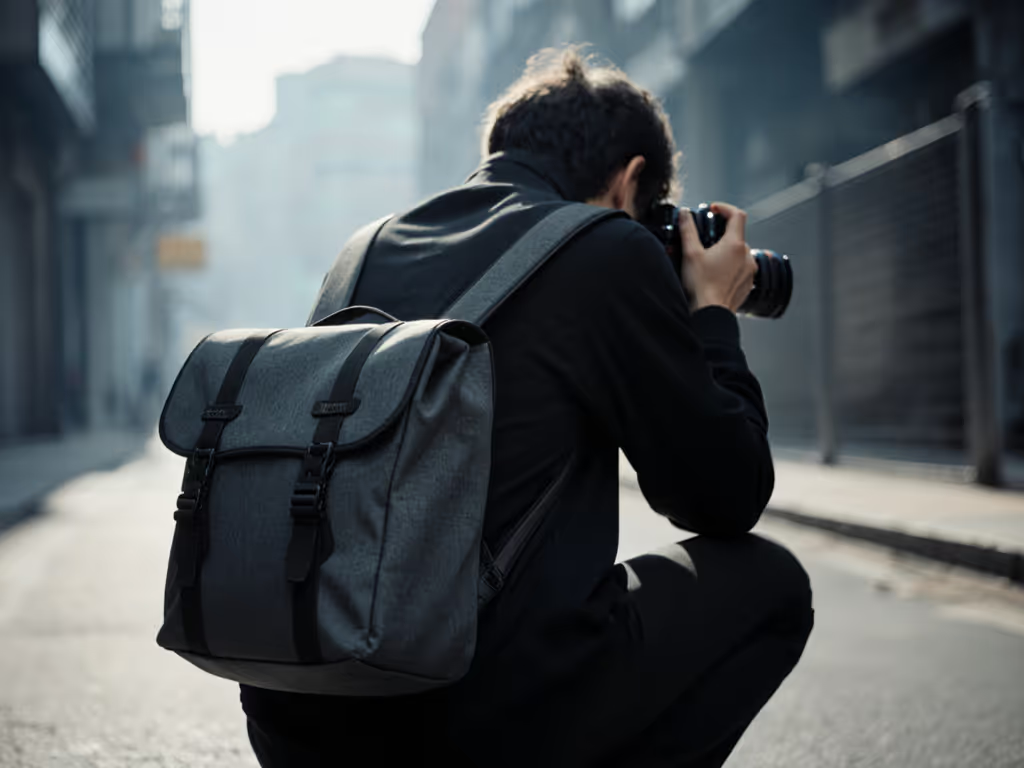
Backpacks offer the best load distribution for all-day wear and heavy mixed kits, because they engage both shoulders and your hips. For a timed-access comparison of carry styles, see our sling vs backpack speed test. A centered load path prevents fatigue and maintains your mobility for run-and-gun work. However, they're slower to access and more visually prominent.
Messenger or crossbody bags provide faster side access and feel more casual, appealing for street photography or environments where a backpack reads as "tourist with expensive gear." The trade-off: all weight lands on one shoulder, creating acute pressure points and forcing you to lean to compensate. Safe for four to six hours with moderate loads (sub-8 pounds); beyond that, pain compounds quickly.
Hybrid systems (backpack with removable sling, or modular components) work for documentary work where your role changes throughout the day (producer interviews, background B-roll, then interviews again). The flexibility helps, but ensure each configuration is tested for comfort; switching rigs without checking load paths is how shoulder injuries emerge.
How Do I Protect Cameras and Lenses During Rough Transport?
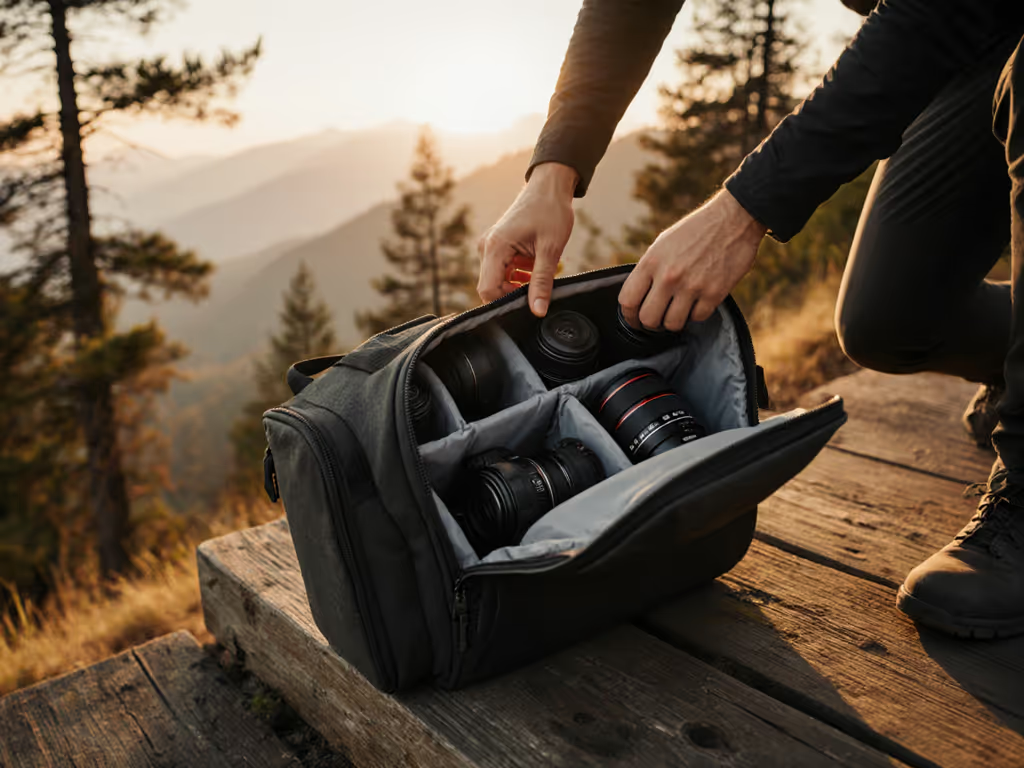
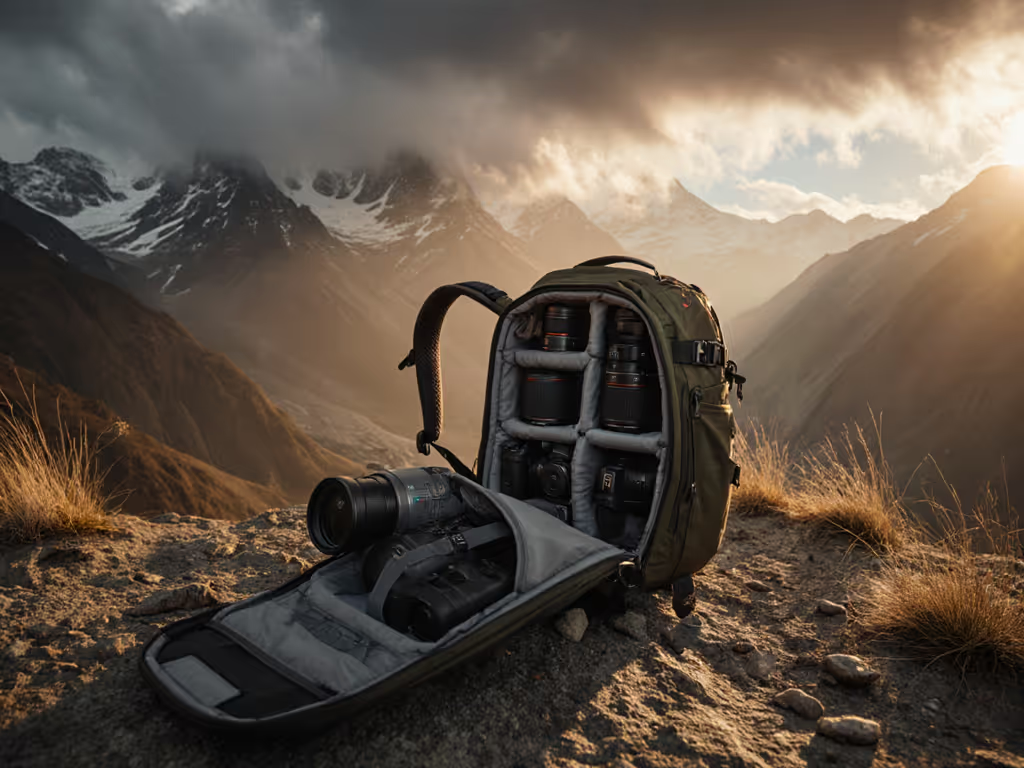
Impact protection isn't about thick padding alone: it's about isolation and structure. Gear should sit in rigid compartments or suspension organizers, never loose or directly against the bag body. Pressure-mapped foam (custom-cut or adjustable cubes) lets you dial in contact without dead space; dead space allows movement, and movement causes micro-impacts that accumulate over a multi-week assignment.
The bag's frame structure (internal stiffening or an integrated exoskeleton) matters enormously. A frameless bag flexes under pressure, concentrating force on corners and seams. A simple sheet-frame (plastic or aluminum insert) reduces flex by 60 to 70 percent. Bottom protection is critical: the floor of the bag bears all compressive stress in a backpack. Double-stitched, reinforced base panels prevent seam failure even if you set the bag down hard or someone sits near it in a vehicle.
For diplomatic or high-risk environments, use duplicate copies of critical shots backed up to a secondary drive kept in a separate bag or location. Gear can be replaced; footage cannot.
What Does "Discreet" Actually Mean, and How Does It Improve Safety?
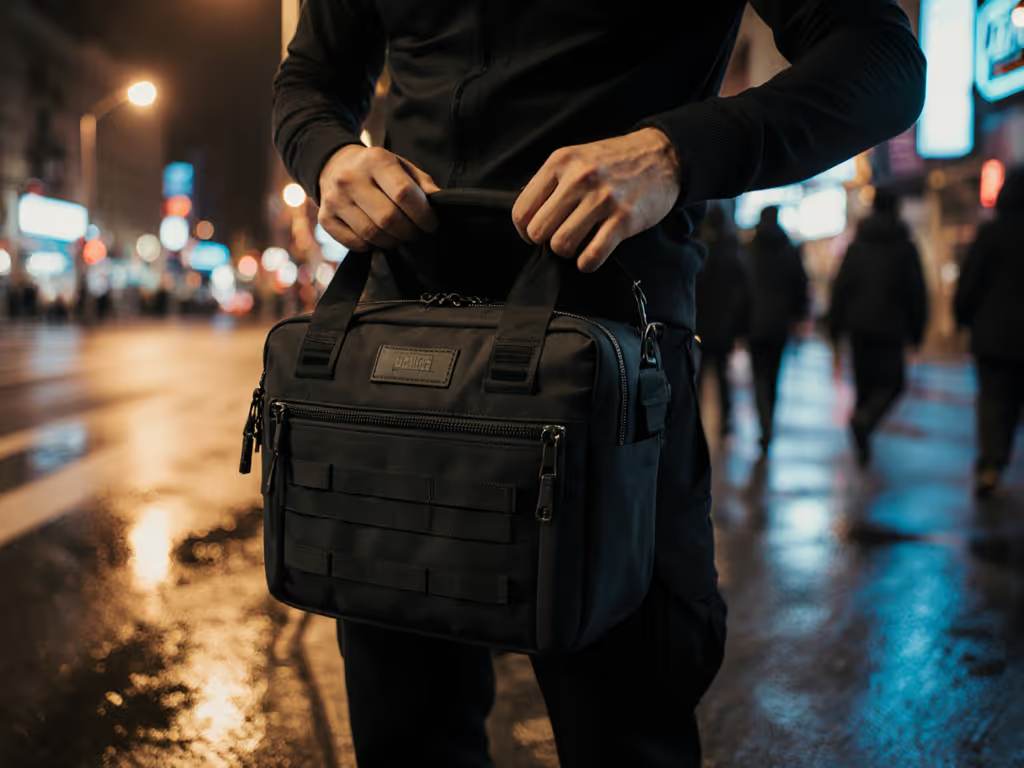
Discreet doesn't mean invisible: it means unremarkable. A bright red technical backpack with brand logos screams "expensive camera gear." A muted-color bag with minimal branding, standard stitching, and tactical-adjacent design reads as general-purpose or work gear. This reduces theft risk and helps you blend into professional or street environments where flashy equipment attracts unwanted attention.
RF blocking (visible only if you know to look for it) signals security without advertising it. Avoid external attachment points or loose straps that suggest soft luggage; security professionals favor integrated carry points and structured silhouettes. A document security bag designed for confidential transport (used in diplomatic or banking contexts) often shares these principles: simple coloring, structured construction, and integrated tracking features that deter casual tampering.
How Do I Manage Access Speed Without Sacrificing Security?
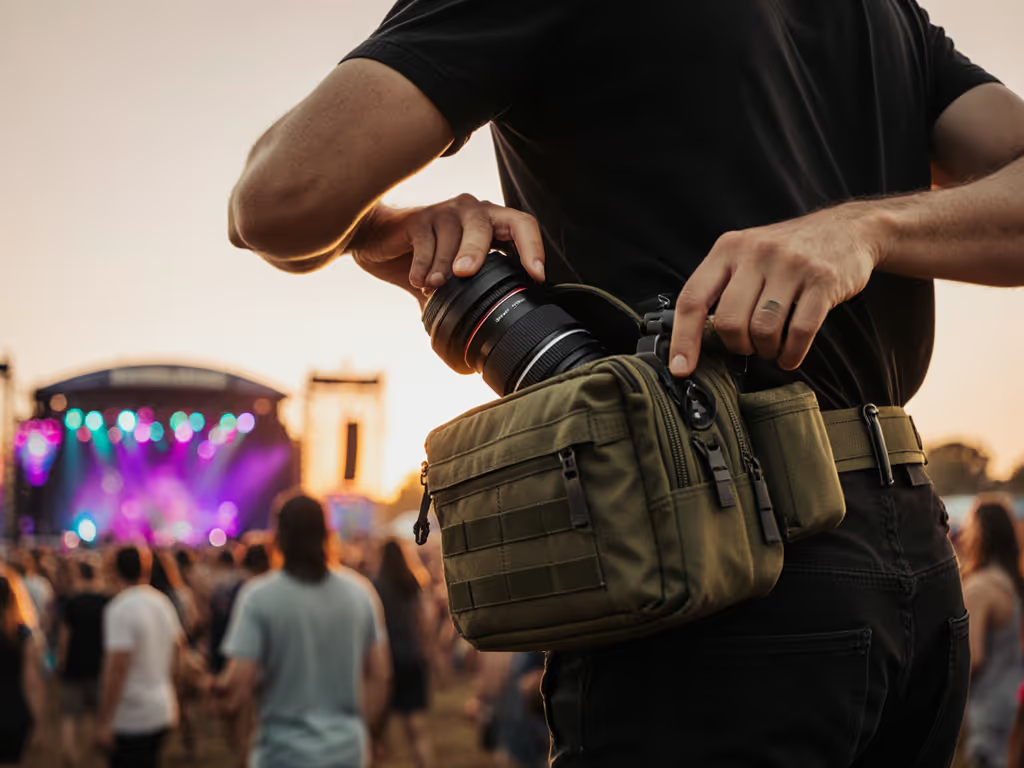
Security and speed are often opposed, but intentional design narrows the gap. Documentary crews working under scrutiny can use our documentary filmmaker bag comparison to identify stealth features that don't slow access. Prioritize bags with external quick-access compartments (not for camera bodies, but for charged batteries, cards, or audio kit) so you don't open the main compartment in public or risky settings. Main compartments should open fully (not half-zippers), giving you complete sight lines and reducing fumbling time.
Organization systems matter: if you know exactly where your 24 to 70 lens sits, and the compartment is labeled with tactile markers or color coding, you can access it while looking at your subject, not your bag. Practice your kit configuration on a calm day; muscle memory during high-stress shoots prevents panic fumbling and reduces the time your gear is exposed.
For diplomatic or on-the-record interviews, consider a separate minimal bag (a small crossbody or sling) for a single body and prime lens. You can leave the main security bag locked in a vehicle or secure location, carry just what you need, and eliminate risk of loss or theft of the entire kit.
What Maintenance and Longevity Factors Matter for Field Use?
Zippers degrade under sand, dust, and repeated stress. Follow our camera bag cleaning guide for safe zipper care and fabric maintenance that extends lifespan. Rinse and dry them after desert or coastal shoots; apply a lightweight zipper lube (not WD-40 or heavy oils, which collect grit). Check stitching every 50 to 100 hours of use; small tears propagate fast under load. Adhesive-bonded fabric layers can separate if exposed to extreme heat or UV; inspect the perimeter seams if you work in high-heat environments.
Harnesses (especially padding and webbing) compress and wear. After 200+ field days, expect reduced cushioning and elasticity loss. Backup harnesses or easy-swap components let you extend the bag's lifespan. If a manufacturer offers repair services or replacement parts (spine stays, harness assemblies), that's a positive signal for long-term value.
For sensitive assignments with repeat use, total cost of ownership matters: a higher upfront investment in reputable construction often saves money versus replacing a failed bag mid-assignment or mid-backup when gear loss becomes catastrophic.
Where Do I Start If I'm Overwhelmed by Choices?
Begin with your actual kit and realistic carry scenario. List your two-body setup, lenses, audio gear, and any tripod or gimbal. Weigh it (scale doesn't lie; marketing specs often do). Next, assess your body dimensions: torso length, shoulder width, and hip circumference. Visit a brick-and-mortar retailer if possible and try bags with realistic loads; if remote shopping, check the return policy and understand restocking fees before committing.
Seek out independent reviews that include pressure-mapping data, multi-day field tests, and access-speed measurements, not just unboxing or feature lists. Ask reviewers about their torso length and load; if they're 6'1" and a bag works beautifully for them, that doesn't guarantee fit for a 5'4" frame. Compare bags across the same three criteria: material robustness, harness adjustability, and load-path ergonomics.
Start with a single bag that handles your most common assignment, and iterate based on real use. The bag that looked sleekest in marketing loses every time against one chosen for measurable comfort under actual load.
Related Articles